Hospitality Laundry Enzyme Detergent Formulation Guide
Hospitality laundry is a demanding detergent category: high soil diversity, high textile turnover, visible whiteness expectations, and constant pressure to reduce wash temperature, water consumption, and rewash rates. For manufacturers building hotel, resort, restaurant, spa, and institutional laundry detergents, enzymes can create measurable formulation value when they are selected and processed with the complete detergent system in mind.
Foamforge supplies bulk enzymes for detergent manufacturing with formulation-led support for compatibility, blend design, handling, and scale-up. We work with industrial cleaning product manufacturers that need practical enzyme options for liquid and powder laundry products without inflated performance claims or lab-only assumptions.
Request a quote for hospitality laundry enzyme inputs, compatibility guidance, and bulk supply planning.
Why hospitality laundry formulas need enzyme strategy
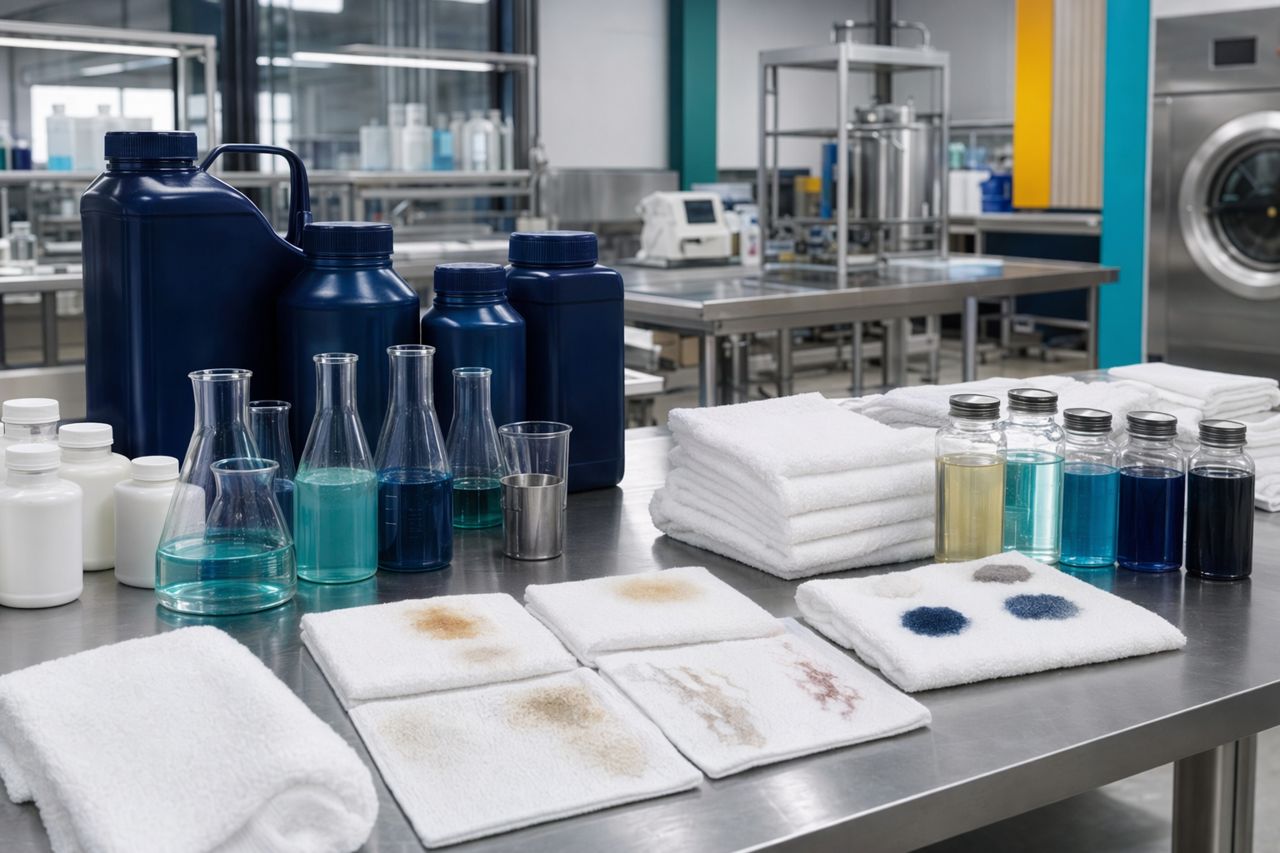
Hotel and foodservice textiles carry mixed, repeat-use soils that are difficult to remove with surfactants and alkalinity alone. A typical hospitality laundry stream may include:
- Blood, egg, dairy, sweat, skin protein, and food protein on sheets, towels, napkins, and kitchen cloths
- Starch-based sauces, gravies, dressings, and table linen residues
- Body oils, sebum, massage oil, cooking grease, and cosmetic soils
- Particulate soil trapped in cotton loops and blended fabrics
- Grayness and hand-feel loss after repeated wash cycles
Enzymes help divide this soil load into more removable fragments. That allows the rest of the detergent system to work more efficiently across practical hospitality wash conditions.
Enzyme types used in hospitality laundry detergent formulation
Protease for proteinaceous soil removal
Protease is often the primary enzyme in hospitality laundry detergent. It supports removal of blood, food protein, sweat, dairy, and egg-based residues. In hotel and restaurant operations, protease performance can reduce visible staining and support first-pass wash quality when paired with the right surfactant and builder system.
Formulation considerations include pH profile, oxidant exposure, preservative system, chelants, and liquid storage conditions.
Amylase for starch film and food residue
Amylase targets starch soils common on table linen, napkins, chef garments, and kitchen textiles. Starch residues can bind particulate soil and produce dullness or crusted stain edges. Amylase helps break those films so surfactants can disperse and suspend the soil more effectively.
Amylase is especially relevant in detergents positioned for foodservice laundry or mixed hotel linen programs with banquet and restaurant traffic.
Lipase for oil, grease, and sebum support
Lipase contributes to the removal of triglyceride-based soils such as body oil, cooking grease, massage oil, and some cosmetic residues. It is not a replacement for a strong surfactant package, but it can strengthen the system where oily soils repeatedly load towels, pillowcases, uniforms, and spa textiles.
Lipase selection should account for wash temperature, water hardness, surfactant type, and fragrance or solvent components that may affect enzyme stability.
Cellulase for cotton surface care and brightness maintenance
Cellulase can help manage cotton microfibrils that contribute to dullness and rough hand feel over repeated cycles. In hospitality laundry, this can support towel appearance and textile feel when used with care. Cellulase must be selected and dosed with fabric integrity in mind, especially for high-turnover linen programs.
Multi-enzyme blends for mixed hospitality loads
Most hospitality laundry challenges are not single-soil problems. A balanced blend of protease, amylase, lipase, and selected fabric-care enzymes can support broader stain removal without pushing alkalinity, solvent loading, or wash temperature beyond the customer’s operating target.
Foamforge can supply single enzyme concentrates or support blended enzyme strategies for detergent manufacturers that want simplified production handling.
Formulation compatibility: what to check before scale-up
Enzymes are high-value functional ingredients, but they are sensitive to the chemistry around them. Compatibility screening should start before pilot production.
Key variables include:
- pH and alkalinity: Enzymes must be matched to the intended wash and storage environment.
- Surfactant system: Anionic, nonionic, amphoteric, and specialty surfactants can influence enzyme stability and soil release behavior.
- Builders and chelants: Water-conditioning systems can improve wash performance but may change enzyme environment.
- Oxidants and bleach systems: Enzymes generally require separation from aggressive oxidants or carefully engineered stabilization.
- Preservatives and solvents: Useful in liquid formulas, but they must be screened for enzyme compatibility.
- Fragrance and dye packages: Minor ingredients can still affect long-term stability.
- Packaging format: Liquid concentrates, structured liquids, powders, and unit-dose formats each create different processing and stability requirements.
Foamforge supports practical compatibility discussions based on your target product format and manufacturing process.
Liquid detergent manufacturing considerations
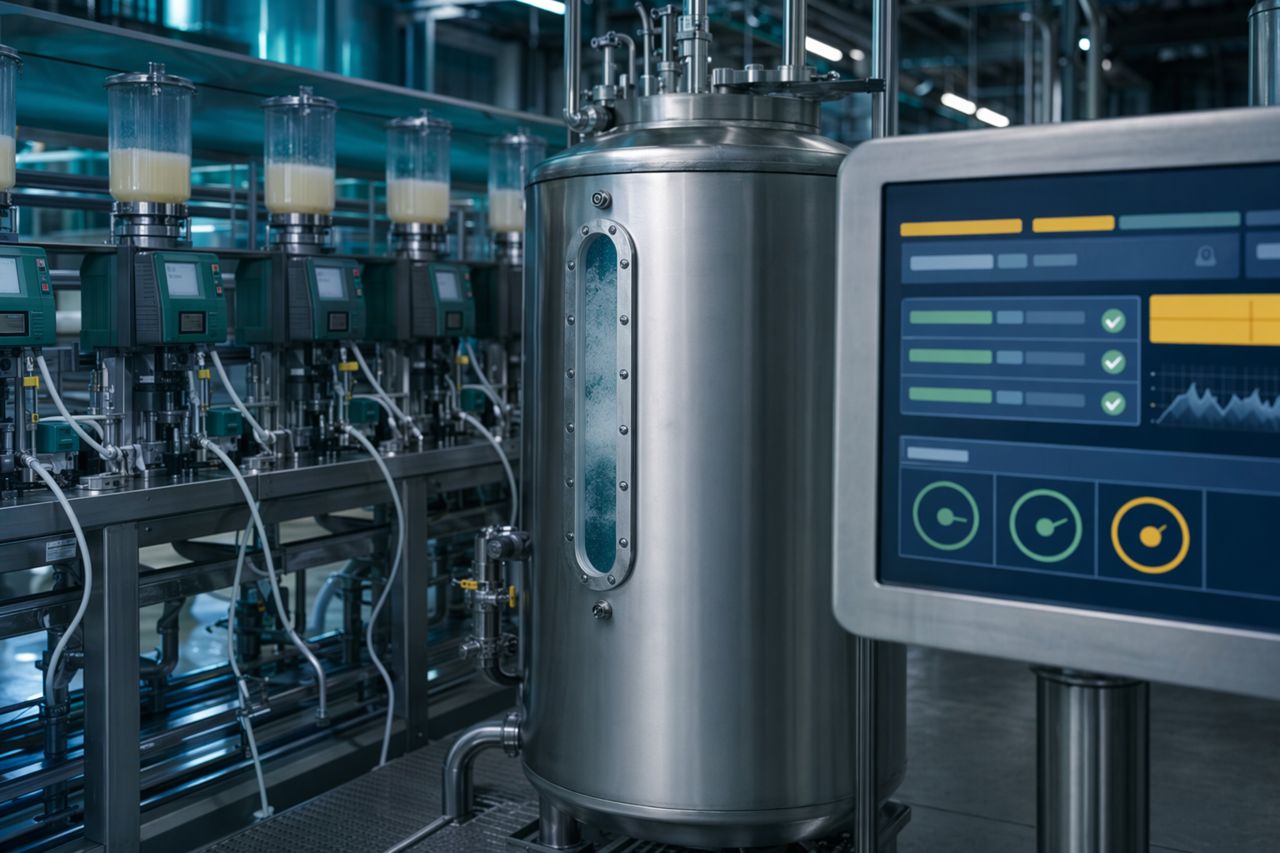
Liquid hospitality laundry detergents require enzyme stability during storage and predictable behavior during dosing. The main formulation task is to protect enzyme performance while maintaining clarity, viscosity, preservation, and customer handling properties.
Manufacturers should evaluate:
- Order of addition during batching
- Mix shear exposure and hold time
- Water quality and ionic load
- Preservative and solvent selection
- Viscosity system interaction
- Storage temperature profile
- Finished-product appearance and phase stability
Foamforge can help determine which enzyme concentrate format fits your production tank, addition point, and finished-product requirements.
Powder detergent manufacturing considerations
Powder hospitality laundry detergents offer strong compatibility options when moisture and processing heat are controlled. Enzyme granulates or protected formats are typically preferred for dust management, flow, segregation control, and stability.
Manufacturers should consider:
- Post-addition timing after high-heat processing steps
- Granule strength during conveying and blending
- Moisture control in the finished powder
- Segregation risk in bulk packaging
- Worker handling controls and local safety procedures
- Compatibility with bleaching agents and alkaline builders
Foamforge can support supply selection for dry blend production environments and commercial laundry powder formats.
Performance objectives for hospitality laundry detergents
A practical enzyme detergent program should connect ingredient selection to buyer-facing outcomes. Common manufacturer targets include:
- Improved removal of food, blood, body oil, and starch-based staining
- Reduced rewash rates in hotel and foodservice laundry programs
- Better performance at moderate wash temperatures
- More balanced cleaning without excessive alkalinity
- Support for textile brightness and hand feel over repeated laundering
- Differentiation in professional laundry product lines
- More efficient formula development through targeted enzyme selection
Foamforge does not position enzymes as a universal fix. They are one part of a complete detergent architecture. The value comes from matching enzyme type, concentrate format, stabilization approach, and production method to the finished product brief.
Bulk supply and scale-up support
Commercial detergent manufacturing requires more than a promising lab sample. Foamforge supports B2B buyers with supply planning and formulation alignment for production-scale use.
Our support can include:
- Enzyme selection for hospitality laundry target soils
- Single-enzyme and multi-enzyme supply options
- Compatibility guidance for liquid and powder systems
- Practical inclusion-range discussion for development work
- Documentation support for procurement and internal review
- Batch handling guidance for scale-up and production transfer
- Supply planning for recurring manufacturing demand
The goal is simple: help your formulation team move from concept to repeatable production with fewer avoidable reformulation cycles.
When to request a quote
Contact Foamforge when you are:
- Developing a new hospitality laundry detergent
- Reformulating to improve stain removal at lower wash temperatures
- Building a hotel, resort, spa, or foodservice laundry product line
- Comparing enzyme options for liquid versus powder detergent formats
- Seeking a more reliable bulk enzyme supply path
- Preparing for pilot production or scale-up
Request a quote
Use the on-site request form to share your product format, target soils, wash conditions, surfactant system, and expected production volume. Foamforge will respond with relevant bulk enzyme options and formulation-oriented next steps.
Ready to evaluate bulk enzymes for detergent manufacturing? Request a quote.